Carbs, Water Weight, and Fat Gain
Carbs, Water Weight, and Fat Gain: What You Need to Know
You step on the scales in the morning and freeze. You're up two pounds (1 pound = 0.453592 kg) overnight.
You replay everything you ate the day before—rice, pasta, maybe something salty—and the conclusion feels obvious: I gained fat.
But physiologically, that's almost impossible.
To gain even one pound of body fat, you would need to consume roughly 3,500 excess calories (1 Calorie = 4.184 kilojoules) beyond what your body burns.
That kind of surplus doesn't happen accidentally in a single evening. So what actually explains the sudden jump?
The answer lies in two often-overlooked factors: how carbohydrates are processed in the body and how water behaves in response. Together, they create one of the biggest sources of confusion in dieting—and one of the main reasons people lose motivation too early.
Carbohydrates Don't Immediately Turn Into Fat
Carbohydrates have long been blamed as the primary culprit behind weight gain. But the truth is more nuanced.
When you eat carbohydrates, your body prioritizes them as a primary energy source. Glucose from carbs enters the bloodstream and is either:
- Used immediately for energy
- Stored as glycogen in the liver and muscles
- Or, in rare cases, converted into fat through a process called de novo lipogenesis
That last pathway—carbs turning into fat—is often misunderstood. Under normal dietary conditions, especially in mixed diets, this conversion is minimal. Your body would rather store carbohydrates as glycogen first because it's faster and more efficient to access when energy is needed.
Fat gain, therefore, is less about eating carbs specifically and more about being in a consistent caloric surplus over time. Studies have shown the quality of carbohydrates is a factor.
Glycogen: The Hidden Weight Multiplier
Here's where things get interesting.
When your body stores carbohydrates as glycogen, it doesn't store them alone. Glycogen binds with water—a lot of it. In fact, for every gram of glycogen stored, your body holds onto approximately 3 to 4 grams of water.
This means that a high-carb meal doesn't just increase glycogen stores, it also increases water retention.
So if you eat more carbohydrates than usual, your body replenishes glycogen and pulls in water along with it. The result? A noticeable increase on the scales that has nothing to do with fat gain.
This is also why people on low-carb diets often experience rapid weight loss in the first week. They're not suddenly burning large amounts of fat, they're simply depleting glycogen stores and losing the water attached to them.
Water Weight: The Invisible Variable
Water is one of the most dynamic components of body weight, yet it's rarely considered when people evaluate their progress.
Your body's water balance can fluctuate daily based on several factors:
- Carbohydrate intake
- Sodium consumption
- Hormonal changes (especially in women)
- Exercise and inflammation
- Hydration status
A salty meal, for example, can cause your body to retain more water to maintain electrolyte balance. Similarly, intense exercise can lead to temporary water retention as your muscles repair and recover.
These shifts can easily result in 1–3 pounds (or more) of fluctuation within a single day.
Importantly, this is not "real" weight gain in terms of fat mass. It's a temporary physiological adjustment, one that will often correct itself within a few days.
Why Nutrition Labels Don't Add Up
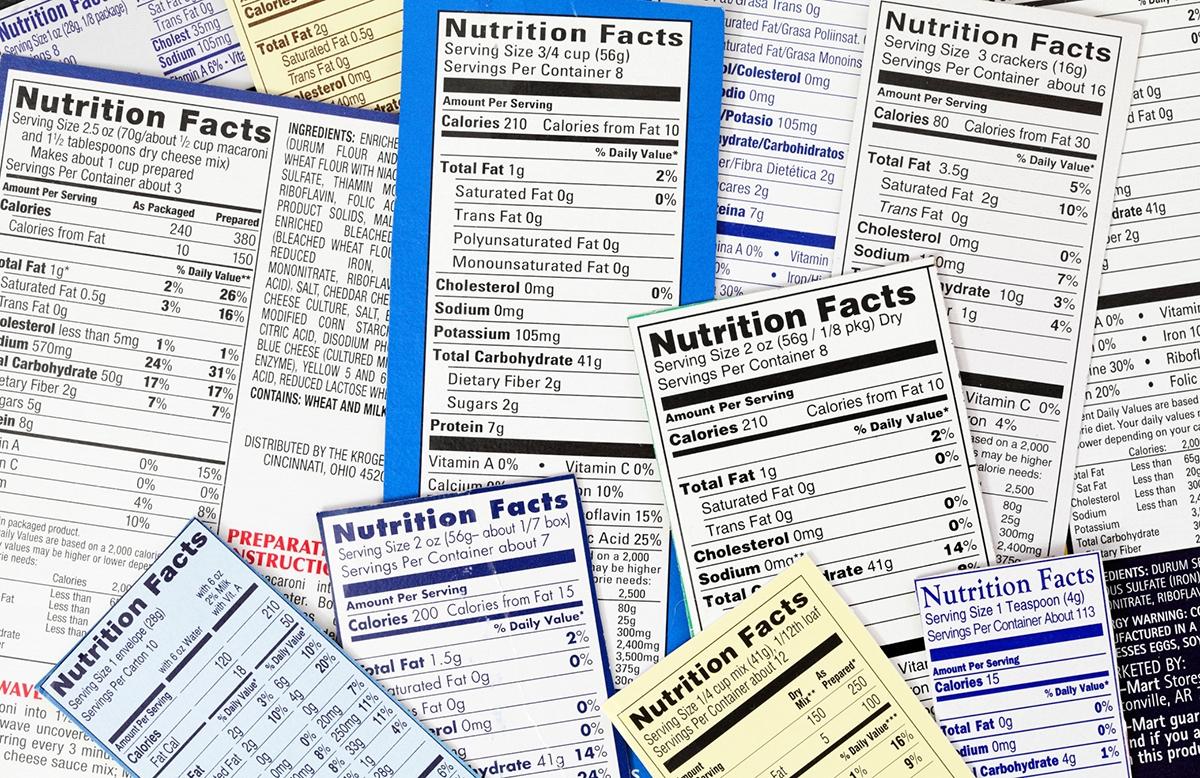
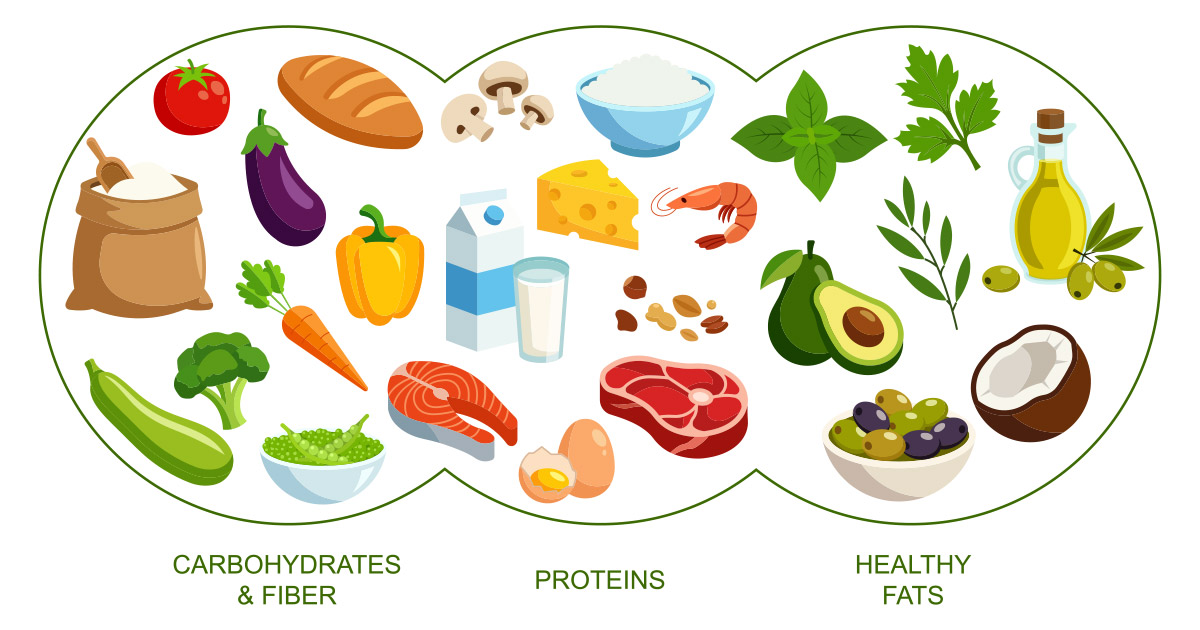
If you've ever added up the grams of protein, fat, and carbohydrates on a nutrition label and noticed they don't total 100%, you're not alone.
The missing piece is water.
Water is a major component of most foods, yet it is not listed as a macronutrient on nutrition labels. That's why the numbers seem incomplete because they are only accounting for energy-providing nutrients.
For example, fruits, vegetables, and even cooked grains contain significant amounts of water. This contributes to their weight and volume but not directly to their calorie count.
Understanding this helps explain two things:
1 Why food weight doesn't directly translate to calorie content
2 Why body weight can fluctuate independently of actual fat gain
In both cases, water plays a central but invisible role.
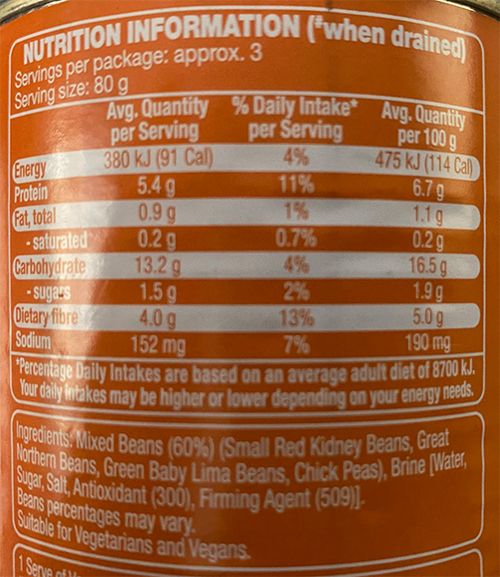
Notice the Avg. Quantity per 100 g does not add up to 100 g due mainly to water not being counted.
 A recent 4 Corners investigation revealled "food fraud" where what was on the label was found to be wrong.
The word "natural" on food packaging is mostly a marketing term with loose rules. It does not mean the food is healthy, safe, or organic.
The Scales Are Measuring More Than Fat
One of the biggest misconceptions in dieting is treating the scales as a direct measure of fat.
In reality, the number you see reflects a combination of:
- Fat mass
- Muscle mass
- Glycogen stores
- Water retention
- Digestive contents
This means your weight can change significantly even when your body fat remains stable.
For example:
- A high-carb, high-sodium meal → temporary weight increase
- A low-carb day → rapid weight drop
- A hard workout → short-term water retention
Without understanding these factors, it's easy to misinterpret normal physiological changes as failure.
Why This Confuses Diets
This is where many diets go wrong, not because they don't work, but because they're misunderstood.
Imagine this common scenario:
- You start eating "clean" and reduce carbohydrates
- You lose 2–3 pounds in the first week
- You feel motivated—it's working
Then:
- You reintroduce carbs or have a higher-sodium meal
- The scales go up again
- You feel like you've undone your progress
In reality, what you're seeing is a shift in water balance, not fat gain.
This cycle can lead to frustration, unnecessary restriction, or even abandoning a diet entirely.
The Bigger Picture: What Actually Matters
Once you understand how carbohydrates and water interact, the scales becomes less intimidating—and more importantly, less misleading.
Fat gain doesn't happen overnight. It's the result of consistent energy imbalance over time, not a single meal or a single day.
Likewise, weight fluctuations are normal. They reflect your body's ability to regulate energy storage, hydration, and internal balance.
This leads to a much more practical and sustainable takeaway:
The best diet is not the one that causes the fastest drop on the scales—it's the one you can maintain consistently.
Because long-term adherence, not short-term fluctuations, is what ultimately determines results.
Final Thoughts
Carbohydrates are not the enemy. Water is not the problem. And the scales is not the full story.
When you see your weight fluctuate, it's not necessarily a sign of failure—it's a reflection of normal physiology at work.
Understanding the roles of glycogen, water retention, and energy balance allows you to interpret these changes more accurately—and respond with consistency instead of concern.
So the next time the number on the scales jumps unexpectedly, pause before you panic.
Chances are, it's not fat.
It's just water doing exactly what your body needs it to do.
SEARCH ARTICLES
advanced search tips examples: "Yoga Meditation" Therap* +Yoga +MeditationRecent Posts
Aug 26 2026
Best Fruits for Your Health

May 11 2026
Carbs, Water Weight, and Fat Gain



Mar 09 2026
The Biological Drive to Play

Nov 27 2025
The Psychology Behind the Primacy Effect

Jun 24 2025
Microplastic Exposure: Bottled Water vs Tap

Jun 09 2025
Squats for aligning hips

Apr 29 2025
Creative Thinking

Jan 28 2025
How to talk to someone you disagree with

Jan 27 2025
Alcohol Causes Cancer

The Gold Coast is one of the healthiest places on earth.
The climate, fresh air, access to beaches parks and abundance of qualified trainers and professional athletes make this a mecca for your health.